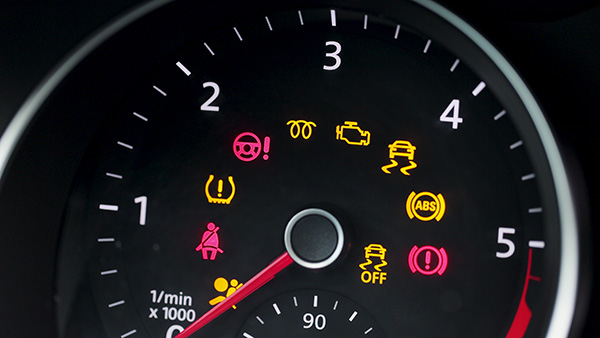
You glance down at the dashboard, see a light glowing, and tell yourself you will deal with it later. The car still moves, there is no strange noise, and life is busy. That is exactly how small, fixable issues turn into big, expensive problems. Some dashboard lights are more than gentle reminders. They are the car’s way of saying, “If you keep driving like this, something important is going to get hurt.”
1. Check Engine Light: Your Early Warning for Engine Trouble
The check engine light is one of the most misunderstood symbols on the dashboard. It can come on for something as simple as a small emissions leak or for issues that affect how the engine runs and how much fuel it uses. When the light is solid and the car still drives normally, it usually means the computer has seen a problem that needs attention, but it is not an immediate emergency.
A flashing check engine light is different. That usually signals a serious misfire that can overheat and damage the catalytic converter if you keep driving. Our technicians pay close attention to whether the light is steady or flashing, and how the engine feels, because that tells us if it is safe to drive in or if you should park and call for help instead.
2. Oil Pressure Light: Stop Before Serious Damage Happens
The oil pressure light is one warning you should never test. If it comes on while driving, it means the engine may not be getting the oil pressure it needs to keep bearings, cams, and other moving parts separated by a protective film of oil. Driving without proper oil pressure can damage an engine in minutes, not days.
Sometimes this light flickers on during hard braking, sharp turns, or when the oil is already very low. If you ever see it stay on solid, the safest move is to pull over as soon as you can safely do it and shut the engine off. From our side of the bay, we would much rather check a car that was towed in early than diagnose an engine that ran with no oil pressure until it locked up.
3. Temperature Warning Light: Overheating Is More Than Inconvenient
Many drivers have seen the temperature gauge climb and hoped it would drop again on its own. The temperature warning light is there to step in when things are really getting hot. It can be triggered by low coolant, a failing thermostat, a weak water pump, or electrical issues with the cooling fan. Whatever the cause, overheating is hard on head gaskets, hoses, and internal engine parts.
If this light comes on, turning the heater on full and gently easing off the road can help temporarily move some heat away, but the main goal is to stop driving before damage happens. Continuing to push an overheating engine can warp cylinder heads and turn a cooling system repair into a full engine job.
4. ABS Light: Braking Safety May Be Compromised
The ABS (anti-lock braking system) light does not mean your normal brakes are gone; it means a backup safety system is not working correctly. ABS helps prevent wheel lockup during hard stops, especially on wet or slippery roads. When the light is on, the system often disables itself and leaves you with regular, non-ABS braking.
You may not notice a difference in dry, gentle driving, which is why some people ignore this light. The problem shows up when you have to brake hard and steer at the same time. We treat an ABS light as a safety concern because it usually involves wheel speed sensors, wiring, or hydraulic components that are important in emergencies.
5. TPMS Light: Tire Pressure and Hidden Safety Risks
The TPMS (tire pressure monitoring system) light often gets brushed off as a minor annoyance, especially when temperatures drop, and it pops on in the morning. In reality, it is telling you that at least one tire is significantly under or over its recommended pressure. Low tire pressure affects more than fuel economy. It builds heat in the tire, weakens the sidewalls, and increases the risk of a blowout.
A tire that is low can also change how the car handles and how quickly it stops. Before our technicians do anything else with a TPMS light, we verify actual pressures with a gauge. That quick check can reveal a slow leak from a nail, a damaged valve stem, or a tire that is ready to fail if it is pushed at highway speed.
What To Do When a Warning Light Comes On
When a light shows up, the first step is to notice how the car feels. If the engine is running roughly, you smell something burning, hear new noises, or the car will not accelerate normally, treat it as urgent. If the light is flashing, or if it is an oil pressure or temperature warning, reduce speed and find a safe place to stop and shut the engine off.
If the light is steady and the car feels normal, it is usually safe to drive gently to a shop or schedule an appointment soon, rather than waiting weeks. When you call, mention which light came on and whether you noticed any changes in how the car drives. That information helps us prioritize what to check and keeps the diagnosis focused on what really matters.
Get Dashboard Warning Light Diagnosis in Silver Spring, MD with Allen Automotive
If a warning light has been glowing at you on every drive, this is the right time to find out what it is really trying to say. We can scan for codes, test the systems involved, and explain which issues need immediate attention and which can be planned out.
Schedule dashboard warning light diagnosis in Silver Spring, MD with Allen Automotive, and we will help you turn that mysterious light into clear answers and a practical repair plan.