Posted on 12/19/2025
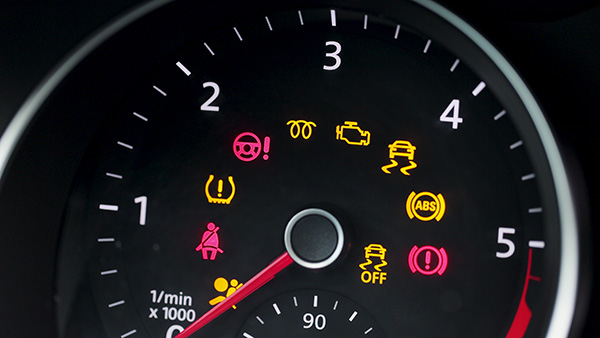
You glance down at the dashboard, see a light glowing, and tell yourself you will deal with it later. The car still moves, there is no strange noise, and life is busy. That is exactly how small, fixable issues turn into big, expensive problems. Some dashboard lights are more than gentle reminders. They are the car’s way of saying, “If you keep driving like this, something important is going to get hurt.” 1. Check Engine Light: Your Early Warning for Engine Trouble The check engine light is one of the most misunderstood symbols on the dashboard. It can come on for something as simple as a small emissions leak or for issues that affect how the engine runs and how much fuel it uses. When the light is solid and the car still drives normally, it usually means the computer has seen a problem that needs attention, but it is not an immediate emergency. A flashing check engine light is different. That usually signals a serious misfire that can overheat and ... read more
Posted on 11/28/2025
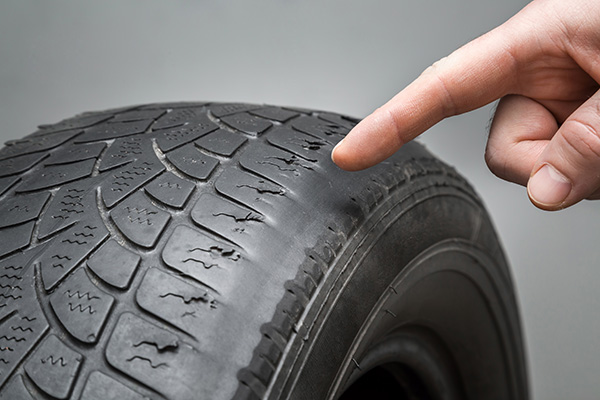
Good tread does not always mean a safe tire. Rubber ages from oxygen, heat, and sun exposure, which slowly hardens the compound and weakens the bond between rubber and internal cords. Grip falls off most on cold, wet mornings and during emergency stops. Here is how to judge tire age accurately and decide when to replace them, even if the grooves still look deep. Why “Plenty of Tread” Can Still Be Risky A tire’s chemistry changes over time. As rubber cures and dries, the tread blocks lose flexibility, sipes stop biting in the rain, and tiny surface cracks open around letters and at the base of grooves. Braking distances stretch and the car feels skittish over bumps. Our technicians often see this on low-mileage vehicles that sit outside, where age matters more than miles. Find the DOT Date Code and Read It Correctly Every road tire s ... read more
Posted on 10/23/2025
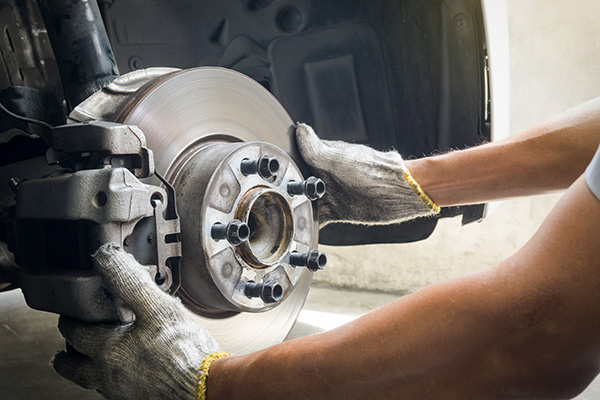
Brakes rarely go from fine to failing in one day. They whisper first. A pedal feels a touch lower at stoplights, a faint squeak shows up in the morning, or the wheel shudders a little on a downhill exit ramp. If you pick up on these early changes, you can fix a small issue before it turns into warped rotors, seized calipers, or a longer-than-expected stop. 1. Pedal Feel Is Not What It Used To Be Your foot knows your car. When the pedal starts to travel farther or feels softer when you hold steady pressure, something has changed in the hydraulic system. Air trapped in a line, moisture in old fluid, or a master cylinder that is beginning to bypass can all make the pedal feel spongy. If the pedal sinks slowly at a red light, that is a sign to park the car and schedule service, since internal leaks will not heal themselves. 2. New Noises That Do Not Fade A light squeal on the first few stops of the day can be normal when moisture flashes off the rotor ... read more