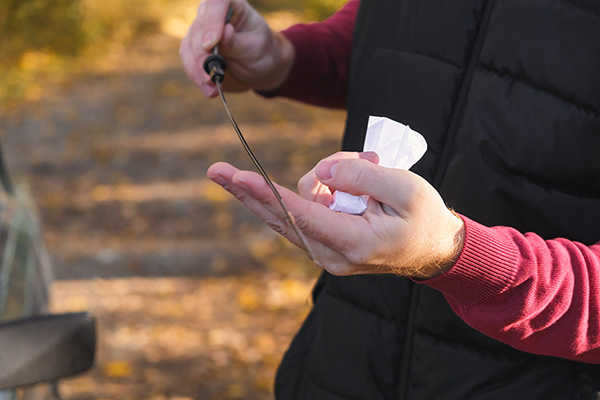
Checking your oil and finding it low can be a mystery, especially when your driveway is clean, and you have not noticed any dripping. A lot of people assume that if there is no puddle, the engine must be fine. In reality, oil can disappear in ways that never leave a clear spot on the ground.
Sometimes it is burned inside the engine. Other times it is leaking, but the leak is hidden or evaporating before it hits the pavement.
Either way, the goal is the same: figure out where the oil is going before low oil turns into real engine wear.
How Oil Disappears Without Leaving A Puddle
There are two main explanations. The first is oil burning, which means oil is getting into the combustion process and leaving through the exhaust. The second is a leak that does not reach the ground, usually because the oil lands on hot engine parts or is spread across the underside by airflow.
Both are common, and both can start slowly. The problem is that slow oil loss still adds up. Running even one quart low reduces lubrication and increases heat, especially on long drives. That is why checking the oil level belongs in regular maintenance, even if the car feels normal day to day.
Clues That Point Toward Excessive Oil Burn
Oil burning often doesn't show the intensity that people usually think it does. Most drivers picture a cloud of blue smoke, but modern engines and catalytic converters can hide it. Often the only clue is that the oil level keeps dropping between changes.
Pay attention to patterns. Some engines use more oil at highway speeds because the engine is running longer and hotter. Others show it during extended idling. A faint burnt-oil smell after parking can also be a hint, especially if it shows up after a long drive.
Here are signs that often go with oil burning:
- Oil level drops with no visible wet spots under the hood
- You notice a burnt-oil smell after idling or right after parking
- Fuel economy dips a little without another obvious reason
- Spark plugs look unusually dark or oily when removed
- The inside of the tailpipe gets sooty more quickly than expected
None of these proves the cause alone, but together they help narrow the direction.
Hidden Leaks That Stay Off The Ground
A leaking engine does not always leave a driveway stain. Oil can seep from the top of the engine and run down slowly, then burn off on hot surfaces. Valve cover gaskets are a common example. They can leak just enough to smell, but not enough to drip.
Oil filter housings and cooler seals can also seep. The tricky part is that airflow under the hood can push oil backward, so the visible wet area is not always where the leak started. On a lift, you can often see a trail pattern that points back to the source.
Lower leaks can hide too. A slow seep at the oil pan gasket or rear main seal might coat the underside and get spread into a thin film by road air. Instead of a puddle, you get a damp, dirty layer that keeps collecting dust.
PCV Issues And Crankcase Pressure
The PCV system is one of the most overlooked causes of oil loss. It manages crankcase pressure and oil vapor. When it works correctly, it vents vapors back into the intake in a controlled way. When it fails, pressure can rise and push oil past seals, or it can pull too much oil mist into the intake and burn it.
PCV problems can also come with other small symptoms. You might notice a slight rough idle, a whistle, or an oil smell around the engine bay. Sometimes the engine uses oil faster after a PCV valve sticks or a hose clogs.
This is one reason a basic inspection is so helpful. If the outside looks clean but the oil keeps dropping, PCV checks move up the list quickly.
What to Keep An Eye On
Not every oil use situation is an emergency, but some are. The safest approach is tracking it with real numbers instead of guessing. Check the dipstick on level ground and note the mileage. If you add oil, write down how much and when.
If you are adding a small amount over a long span, you may be able to monitor it while planning a repair. If you are adding oil every week, or the level drops quickly after you top it off, it is time to stop experimenting and schedule an inspection.
Also take action sooner if you notice any of these:
- Burning oil smell coming from the engine bay
- Smoke from under the hood after a drive
- Fresh wetness around the valve cover area or lower engine
- Oil pressure warning light, even briefly
Those signs suggest the problem is no longer minor.
Why Just Topping Off Is Never A Long-Term Plan
Topping off keeps the engine protected, but it can hide the trend. Oil loss often gets worse over time, and drivers get used to adding oil until one day they forget, the level drops too far, and the engine pays for it.
Oil loss can also be tied to other problems. For example, if the engine is running too rich, it can contribute to deposits and oil contamination. If oil is burning, it can shorten the life of the catalytic converter over time.
The point is not to scare you. It is to make the case for getting clarity instead of guessing.
What We Check To Find The Real Cause
The first step is to confirm the oil level and check for external seepage at common leak points. If the outside of the engine is dry, we look at ventilation and signs of oil in the intake path. We also check areas where oil can leak and burn off without dripping.
Sometimes it makes sense to clean the area and recheck after a short drive so the leak path becomes obvious. Other times, the condition of seals, gaskets, and ventilation parts makes the cause clear right away.
From there, you get a practical repair plan. Some fixes are straightforward, like a valve cover gasket or a PCV component. Others involve deciding what is worth addressing now versus later.
Get Engine Inspection and Repair in Silver Spring, MD with Allen Automotive
If your oil level keeps dropping and you cannot see a leak, we can inspect the engine, confirm where the oil is going, and explain the most practical fix based on what we find at Allen Automotive.
Schedule your service with Allen Automotive in Silver Spring, MD, and let us stop the oil loss before it turns into a bigger repair.
You will have a clear plan instead of constantly watching the dipstick.