Posted on 6/26/2026
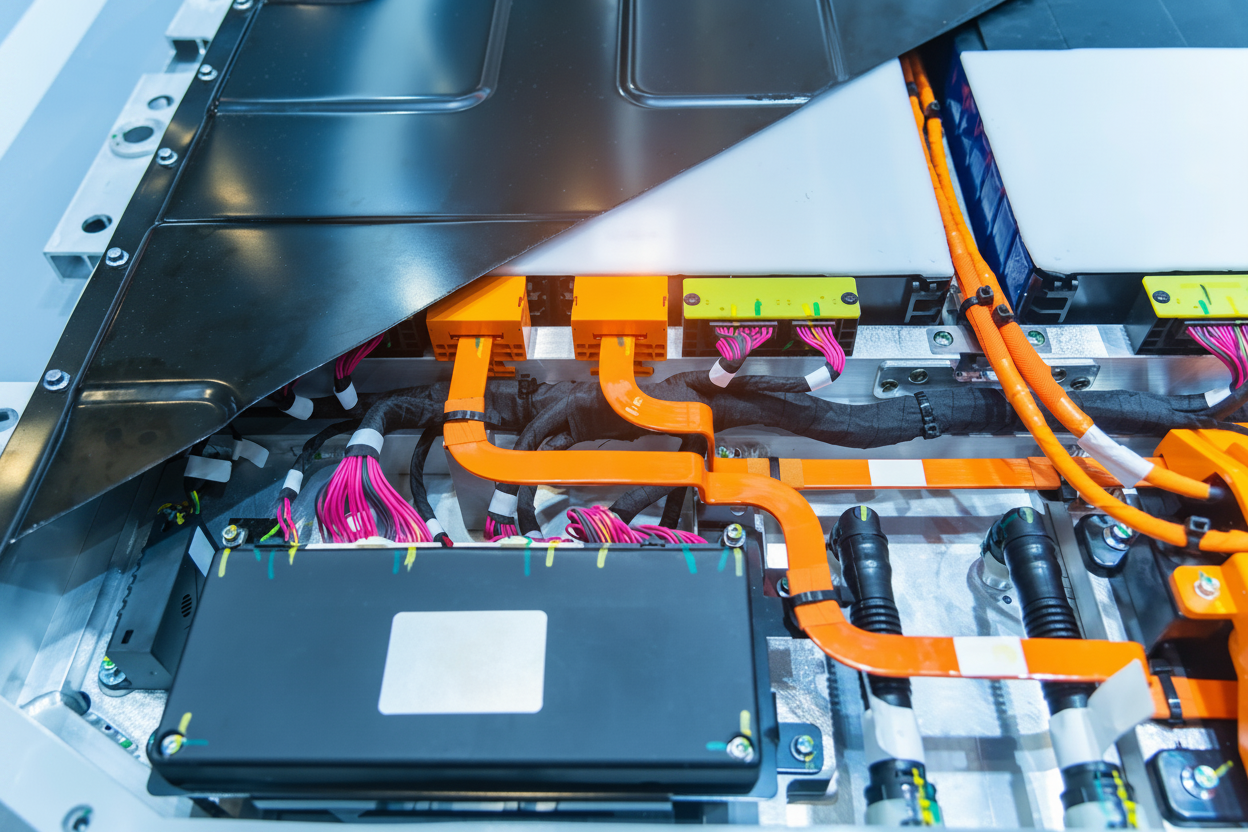
Electric vehicles do not have the same cooling needs as gas-powered cars, but they still create heat. In some ways, heat control is even more precise because the battery, motor, inverter, charger, and power electronics all need to stay within a safe temperature range. When those temperatures drift too far, performance, range, charging speed, and component life can all be affected. That surprises some drivers because EVs seem simpler from the outside. There is no engine oil change, no exhaust system, and fewer moving engine parts. Still, an electric vehicle depends on a carefully managed cooling system to protect expensive components that work hard every time you drive or charge. Why Electric Vehicles Need Cooling An EV battery pack stores and releases large amounts of energy. During driving, power moves from the battery to the motor. During charging, power moves back into the battery. Both processes create heat, especially during fast charging, hard acceleration, ho ... read more