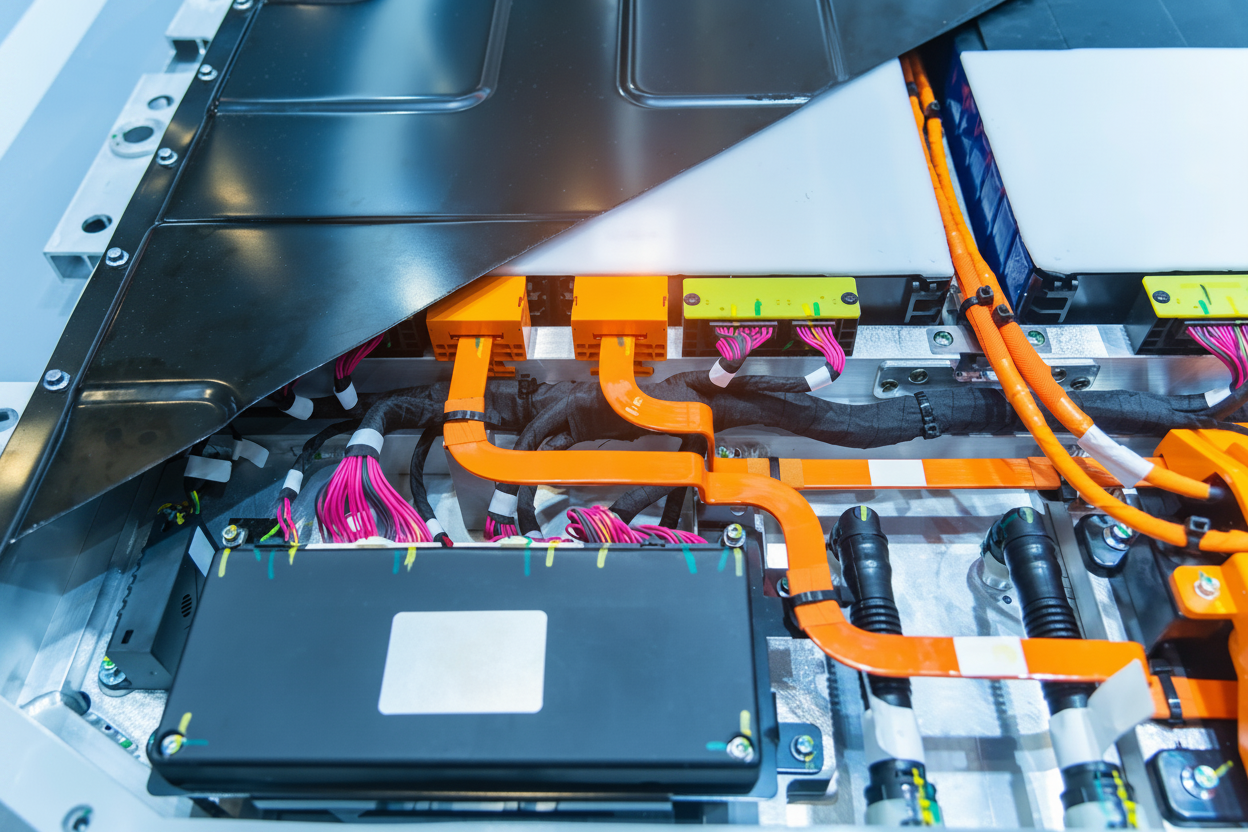
Electric vehicles do not have the same cooling needs as gas-powered cars, but they still create heat. In some ways, heat control is even more precise because the battery, motor, inverter, charger, and power electronics all need to stay within a safe temperature range. When those temperatures drift too far, performance, range, charging speed, and component life can all be affected.
That surprises some drivers because EVs seem simpler from the outside. There is no engine oil change, no exhaust system, and fewer moving engine parts. Still, an electric vehicle depends on a carefully managed cooling system to protect expensive components that work hard every time you drive or charge.
Why Electric Vehicles Need Cooling
An EV battery pack stores and releases large amounts of energy. During driving, power moves from the battery to the motor. During charging, power moves back into the battery. Both processes create heat, especially during fast charging, hard acceleration, hot weather, and long drives.
The goal is not just to cool everything down. The goal is to keep temperatures controlled and even. If parts get too hot or too cold, the vehicle can reduce power, slow charging, limit range, or display a dashboard message. Temperature control helps the EV stay consistent, rather than letting heat dictate how well the car performs.
Battery Cooling Protects Range And Battery Life
The high-voltage battery is one of the most important and expensive parts of an electric vehicle. Battery cells work best within a specific temperature window. Too much heat can speed up battery aging. Cold temperatures can reduce range and charging efficiency.
Many EVs use liquid cooling plates or channels around the battery pack. Coolant carries heat away from the cells and sends it through a heat exchanger, radiator, or other thermal control component. Some systems can also warm the battery when temperatures are low, which helps improve charging and driving performance in colder conditions.
Motors And Inverters Need Heat Control Too
The electric motor creates heat as it turns electrical energy into movement. The inverter also generates heat because it converts battery power to the type of power the motor needs. These parts are built to handle demanding use, but they still need steady temperature control.
If the motor or inverter gets too hot, the vehicle can reduce available power to protect itself. Drivers might notice weaker acceleration, warning messages, or limited performance during heavy demand. Cooling keeps those parts from being pushed beyond their intended operating range.
Coolant Pumps, Valves, And Sensors Do The Work
EV cooling systems use more than coolant and hoses. They rely on electric coolant pumps, temperature sensors, control valves, radiators, chillers, fans, and sometimes heat pump components. The vehicle’s computer determines where coolant should flow and how much cooling or heating is needed.
That control can change quickly. The battery may need one temperature while the cabin needs another. The motor and inverter may need cooling during a long uphill drive. The battery may need thermal conditioning before or during fast charging. These systems are connected, so one weak pump, valve, or sensor can affect more than one part of the vehicle.
Cabin Comfort And Battery Cooling Can Be Connected
In many EVs, the climate control system and battery thermal system are closely related. The A/C system may help cool the battery through a chiller, especially during fast charging or hot weather. A heat pump, when equipped, can help warm the cabin and support efficiency in cooler temperatures.
That connection is why an EV A/C issue should not be treated as only a comfort problem. If the system cannot cool properly, it may affect battery temperature control as well. A driver might notice slower charging, reduced range, or thermal warnings if the vehicle cannot manage heat properly.
Warning Signs Of EV Cooling Trouble
EV cooling problems can show up in different ways. Some are obvious, while others look like changes in performance. A driver might see a temperature warning, reduced power message, slower fast charging, unusual fan noise, visible coolant loss, or a range that drops more than expected.
Coolant leaks need quick attention because the system is designed to stay sealed. The coolant type also matters because EV systems can require specific fluids that protect electrical and cooling components properly. Regular maintenance should include checking coolant condition, level, and leaks, and verifying thermal system operation, based on the vehicle’s service needs.
Why EV Cooling Service Should Be Handled Carefully
Electric vehicle cooling systems are not the place for random fluid top-offs or casual repairs. High-voltage components require safe procedures, correct coolant, and the right testing process. Even a simple-looking leak can be near sensitive electrical parts, battery components, or thermal management hardware.
A proper inspection helps confirm whether the problem is a leak, a failed pump, a sensor issue, a fan concern, a valve fault, or a climate-control-related cooling problem. The sooner the cause is found, the better the chance of protecting the battery and electronics before heat starts limiting performance.
Get EV Cooling System Service In Silver Spring, MD, With Allen Automotive
If your EV has thermal warnings, coolant loss, reduced charging speed, weaker performance, or climate control issues, Allen Automotive in Silver Spring, MD, can check the cooling system and help protect the battery, motor, and electronics.
For EV cooling system service in Silver Spring, contact us to schedule an appointment.