Car A/C problems usually start small. The vents still blow air, but it is not as cold as you remember. It takes longer to cool the cabin, the air gets warmer in traffic, or the system feels fine in the morning and weak by the afternoon.
When A/C performance drops, the cause is not always a simple recharge. The system depends on refrigerant level, pressure, airflow, electrical controls, the compressor, fans, doors inside the HVAC box, and clean heat exchange through the condenser and evaporator. If one part is not doing its job, the air from the vents can lose its chill.
1. The Refrigerant Level Is Low
Low refrigerant is one of the most common reasons an A/C system stops cooling well. Refrigerant is the substance that absorbs heat from inside the cabin and releases it outside. If the level is low, the system cannot move heat as effectively.
Low refrigerant levels usually indicate a leak. A sealed A/C system should not need refrigerant added every season. Leaks can happen at hoses, seals, service ports, the condenser, evaporator, compressor, or fittings. Some leaks are easy to see because they leave oily residue. Others are small enough that dye, pressure testing, or electronic leak detection may be needed.
Adding refrigerant without finding the leak may cool the car for a short time, but the same problem can return.
2. The Compressor Is Not Working Correctly
The compressor is the heart of the A/C system. It moves refrigerant through the system and helps build the pressure needed for cooling. If the compressor is weak, not engaging, cycling too often, or failing internally, the air from the vents may not get cold enough.
Compressor problems can result from electrical faults, low refrigerant levels, clutch issues on some systems, pressure sensor problems, internal wear, or contamination. A failing compressor may make noise, create poor cooling, or send debris through the system if it breaks down badly.
The compressor should not be blamed too quickly. Other problems can prevent it from turning on or make it work outside the proper pressure range. Testing the system first helps avoid replacing an expensive part that is not the real cause.
3. The Condenser Is Dirty, Blocked, Or Damaged
The condenser, located near the front of the vehicle, releases heat from the refrigerant. Because of its location, it is exposed to road debris, bugs, dirt, and leaves, as well as impact damage. If the condenser cannot release heat properly, the A/C may cool poorly, especially in traffic or hot weather.
A damaged condenser can also leak refrigerant. Small stones, road debris, or corrosion can create tiny holes. Bent fins can reduce airflow, and debris packed in front of the condenser can make the system work harder than it should.
Cooling fans matter here too. If the fan does not pull enough air through the condenser at low speeds, the A/C may cool better on the highway than it does while sitting at a light.
4. Airflow Through The Vents Is Weak
Sometimes the A/C is making cold air, but not enough air is moving through the vents. A clogged cabin air filter is a common cause. When the filter is packed with dust, pollen, leaves, or debris, the blower may sound loud while airflow still feels weak.
Weak airflow can also come from blower motor problems, resistor or control module issues, blocked evaporator fins, or HVAC doors that are not moving correctly. If the air only comes from certain vents, or the temperature changes when switching modes, the problem may be inside the HVAC box.
Regular maintenance helps catch a clogged cabin air filter before it makes the A/C feel weaker than it really is. Good airflow is just as important as cold refrigerant.
5. Electrical Or Control Problems Are Interrupting The System
Modern A/C systems use sensors, switches, modules, relays, pressure data, temperature data, and control commands to operate. If the system sees a pressure reading it doesn't like, or if a sensor provides poor information, the compressor may not run correctly.
Electrical A/C problems can show up in different ways. The system may cool sometimes but not others. It may stop cooling after the engine warms up. The blower may only work at certain speeds. The compressor may not engage even though the refrigerant level is correct.
Warning signs worth checking include:
- A/C gets warm at idle
- Cooling changes while driving
- Airflow is weak
- Compressor clicks on and off rapidly
- One side blows warmer than the other
- A/C works only sometimes
- Unusual smell from the vents
- Water leaking inside the cabin
These symptoms can involve different parts, so an inspection should look at pressures, airflow, electrical operation, leaks, and temperature performance together.
Why A/C Testing Matters Before A Recharge
A/C service should not be treated like simply adding refrigerant and hoping for cold air. If the system is low, the leak needs to be found. If the pressure is wrong, the reason needs to be tested. If airflow is weak, the cabin filter, blower, and HVAC controls need attention.
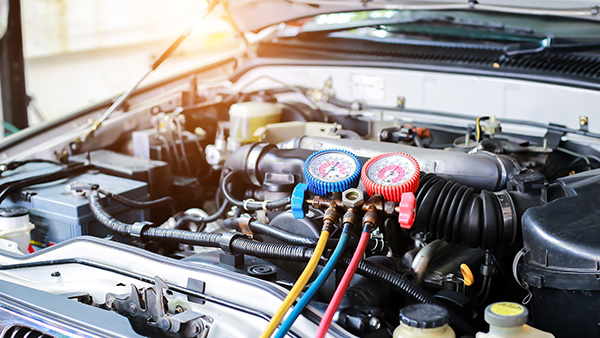
A proper A/C check may include temperature and pressure readings, leak detection, fan operation checks, compressor command testing, cabin filter inspection, and a review of the condenser condition. That process helps separate a refrigerant issue from an airflow, electrical, or mechanical problem.
Get Car A/C Repair In Silver Spring, MD, With Allen Automotive
If your A/C is not cooling as it used to, Allen Automotive in Silver Spring, MD, can inspect the system to determine whether the problem is low refrigerant, a leak, airflow issues, a compressor concern, or an electrical fault.
For car A/C repair before warm air turns every drive into a sweaty one, contact us to schedule an appointment.