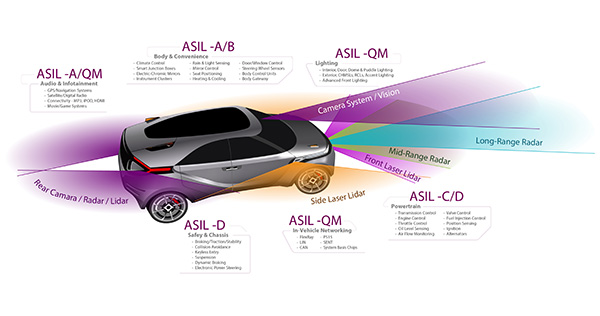
A modern car can have cameras near the windshield, sensors in the bumpers, and radar hidden behind panels that look ordinary from the outside. They help with functions such as parking assistance, lane warnings, and monitoring traffic around the vehicle.
Each system needs a particular kind of information, which is why the car uses several devices instead of one camera for everything. Understanding their jobs also explains why a dirty windshield, damaged bumper, or certain repairs can affect features that seemed unrelated.
Vehicle Cameras Read The Scene Around The Car
Cameras can provide images for parking views or information used by driver-assistance functions. A forward-facing camera may help identify lane markings or other visual features, while cameras around the body can provide a wider view for low-speed maneuvering. The features vary by vehicle and equipment level.
Lighting, weather, blocked glass, and an obstructed view can affect what the camera sees. The presence of a camera does not mean the system recognizes every hazard under every condition. The driver still needs to look, steer, and brake appropriately even when the display or assistance feature seems to be working normally. Check the owner's manual for the conditions that limit each assistance feature.
Radar Helps Measure Distance And Relative Movement
Radar can support functions that monitor nearby traffic or the space ahead. Depending on the design, it may support adaptive cruise control, blind-spot monitoring, or other assistance. The unit can sit behind a bumper cover or another panel instead of appearing as a visible lens.
Its hidden position makes damage easy to overlook. A bumped bracket, a poorly done repair around the sensing area, or an obstruction can affect operation. Radar also has limits, so it should not be treated as a guarantee that it will detect every object or traffic situation correctly.
Parking Sensors Help At Shorter Distances
Many parking systems use ultrasonic sensors to measure nearby objects at low speed. Those small circles in a bumper can provide information used for distance warnings or parking displays. They do a different job than long-range radar or a camera reading lane markings.
Dirt, ice, damage, or an object in an awkward position can affect the warning. A quiet alert does not establish that the path is clear. Clean the sensing areas according to the vehicle's instructions, and keep checking your surroundings directly, especially around children, pedestrians, low objects, and tight spaces.
Driver Assistance Systems Combine Several Sensor Inputs
Some functions compare information from cameras, radar, wheel-speed sensors, steering inputs, and other sources. That combination can help the system understand the vehicle's position and movement. It also means one fault can affect multiple features, creating several warnings from a shared problem.
The warning messages need to be interpreted with the vehicle's stored information and actual condition. Multiple unavailable features do not automatically mean every sensor has failed. Wiring issues, low voltage, damaged mounting, or a missing input may explain the broader change. Testing should establish that connection before several components are recommended.
Camera And Radar Mounting Position Affects Operation
A sensing device needs to face the intended direction and sit in the correct position. A camera can still display an image even if it's misaligned for an assistance function. A radar unit can appear undamaged while its bracket has moved after an impact.
That is why certain windshield, bumper, sensor, alignment, or suspension work can require calibration under the manufacturer's procedure. Calibration establishes the required relationship between the sensor and vehicle. Calibration isn't automatically needed after every repair, but when the procedure calls for it, the absence of a warning doesn't replace it.
Sensor Calibration Requirements Depend On The Vehicle
Some systems use a stationary setup with specified targets and measurements. Others require a prescribed drive, and some use a combination. Vehicle height, wheel alignment, tire condition, and other setup requirements may apply. The procedure should match the exact system rather than a general idea of how cameras are aimed.
Ask which repair triggered the calibration requirement and what will be checked afterward. That helps explain the labor and equipment involved. Simply clearing warning information or driving until an icon disappears does not prove a required calibration was completed correctly.
Camera And Sensor Warnings Deserve Clear Details
If a feature becomes unavailable, note whether it happened during rain, after windshield work, following a bumper impact, or after another repair. A photo of the message can help if it disappears. Check for visible obstruction only where it is safe and follow the cleaning guidance in the owner's manual.
If the warning persists, arrange an inspection and continue driving, understanding that the affected assistance may not be available. These systems support the driver; they do not remove the need for attention or control. Avoid testing an emergency braking function by deliberately approaching an obstacle.
Get Camera And Sensor Inspection In Silver Spring, MD, With Allen Automotive
If camera, radar, or driver-assistance warnings appear, Allen Automotive in Silver Spring, MD, can inspect the relevant systems and explain whether you need a repair or a specific calibration.
Contact us to schedule an inspection of your vehicle's camera and sensor concerns.